What exactly is a tapa?
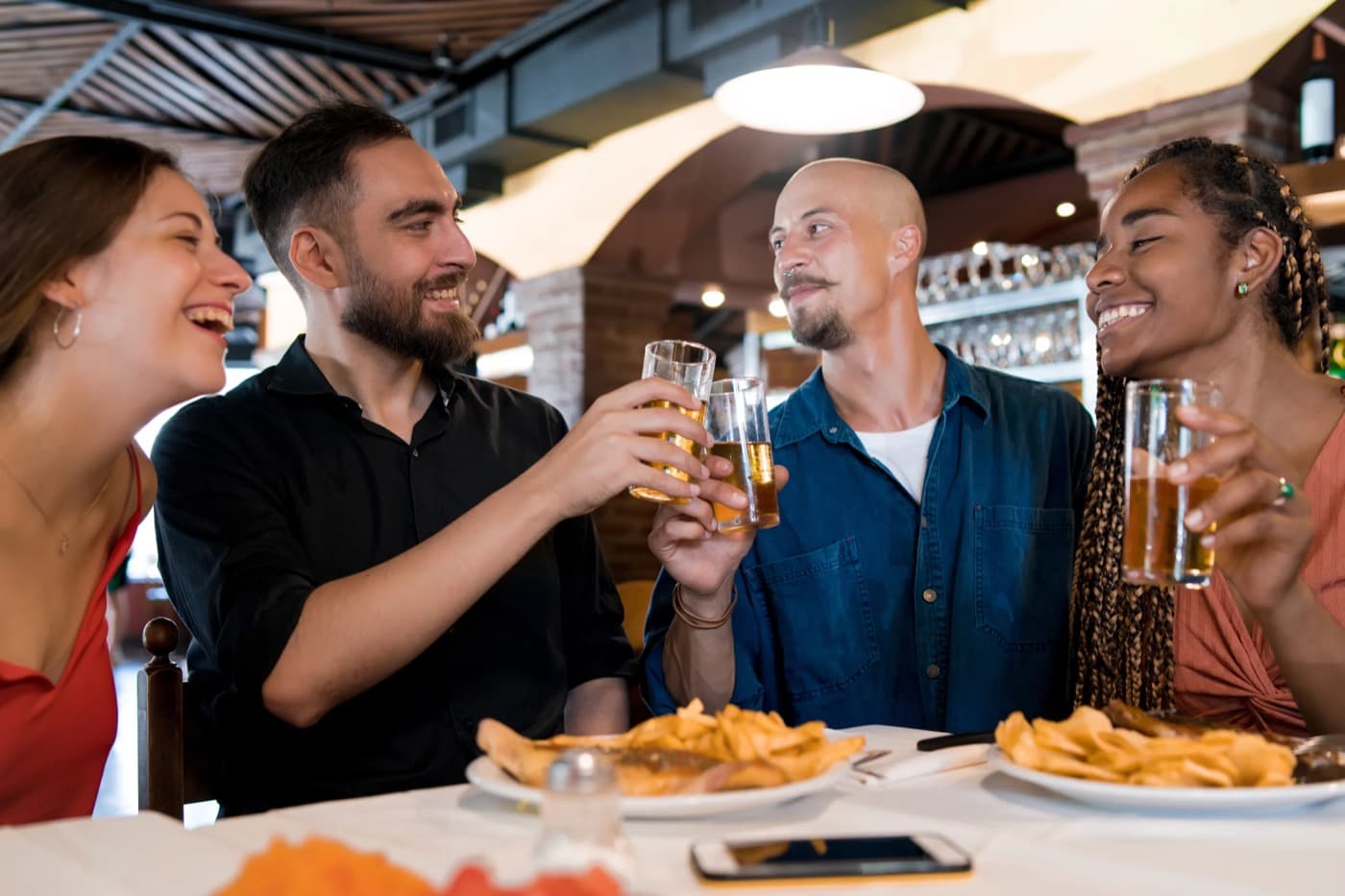
A tapa is a small portion of food served alongside a drink. It can be almost anything: a few olives, a slice of tortilla, some cured ham, a bit of paella, patatas bravas or a piece of bread topped with something tasty. The idea is simple but brilliant. You order a wine, a beer or a vermouth, and something to eat arrives with it, so nobody drinks on an empty stomach. Over the centuries this custom grew into a whole way of eating, and today "going out for tapas" means hopping from bar to bar, sharing small plates and never quite sitting down to a full meal.
- A tapa is a snack-sized portion, not a full dish
- It is traditionally paired with a drink
- Sharing several between friends is part of the fun
- In some Spanish cities the tapa still comes free with your drink
The first legend: Alfonso X and the doctor's advice
To understand why you get food every time you order a drink in Spain, we have to go back to the 1200s. King Alfonso X, known as "the Wise", suffered from an illness that caused him terrible aches. His doctor suggested he eat a little something every time he drank alcohol, and, surprisingly, the king recovered quickly. Convinced by the results, Alfonso ordered that across his kingdom no drink should ever be served without a small bite to go with it. In this version of the story, the tapa is born as a matter of royal health policy.
Why not experience it with a local guide?
Book a free tour through central Madrid: local guides, small groups and no upfront payment.
See the free tours →The second legend: Alfonso XIII and the windy day in Cadiz
The second part of the story jumps forward several centuries. During the 1900s, King Alfonso XIII was passing through Cadiz when he stopped for a glass of wine. The wind that day was so strong that the waiter feared sand or dust might blow into the royal glass. To protect it, he covered the wine with the slice of jam he had brought as an accompaniment. The food had become a lid, and "lid" in Spanish is tapa. The king liked both the idea and the snack, and asked for a second wine "with the tapa" on top.
- "Tapa" literally means lid or cover in Spanish
- The word comes from the verb tapar, to cover
- The wine glass, not the plate, is at the heart of this legend
So which story is the real one?
Both tales are told across Spain, and honestly, part of the charm is that nobody can prove which is true. What they share is the same idea: food and drink belong together. Whether the tapa started as a doctor's prescription or as a shield against the wind, the result is the same custom you still see in every Spanish bar today. Language and history rarely have one clean answer, and tapas are a delicious example of that.
What ends up on a tapas plate
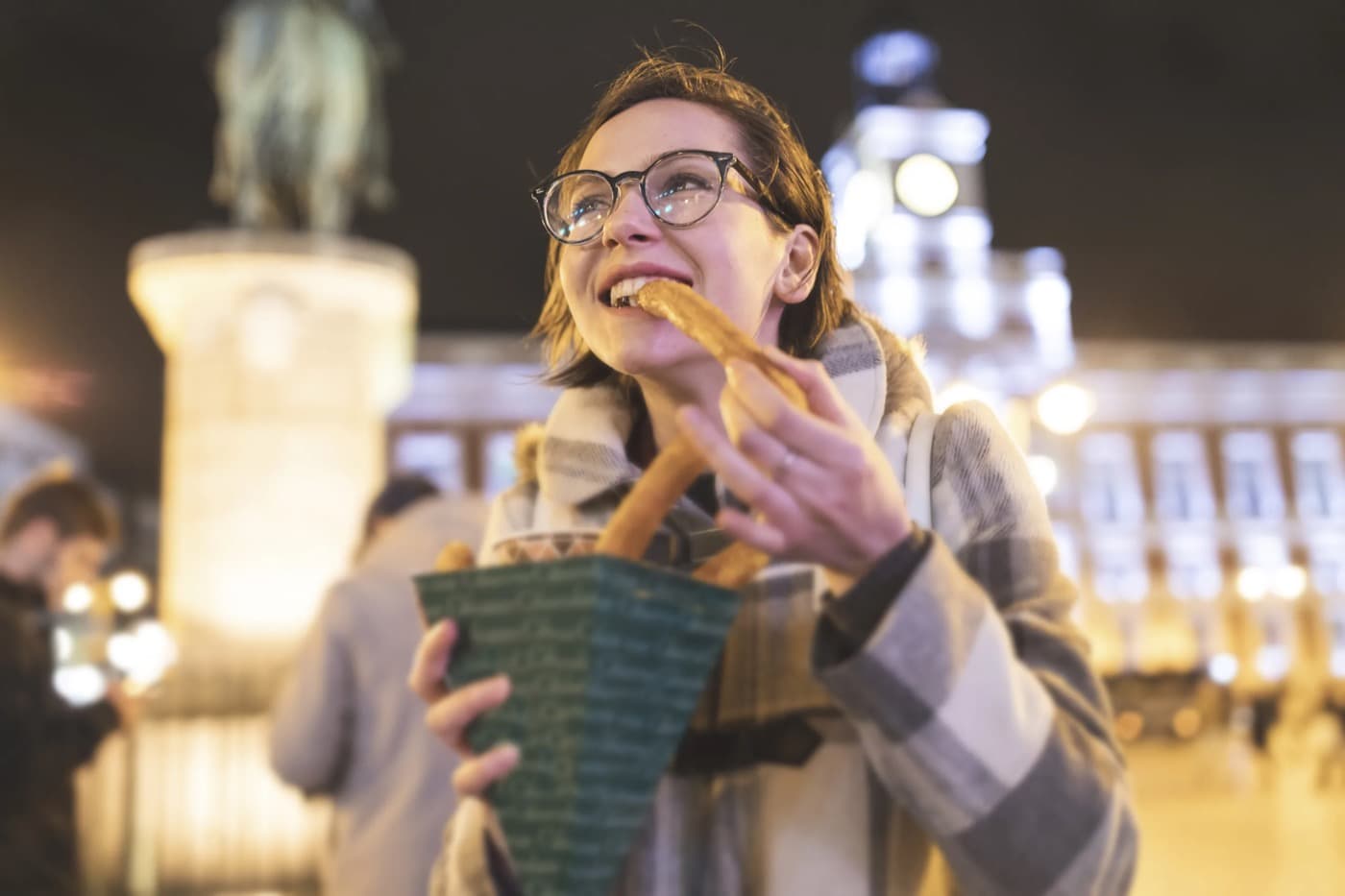
Once you know the origin, the word makes sense for almost anything small and tasty. In the broad sense, a tapa can be a little bit of paella, a handful of olives, some potatoes and much more. That variety is exactly what makes a tapas night so enjoyable for locals and visitors alike. Spending a whole evening drinking and trying a bit of everything, moving between different flavours and different bars, is a true delight and one of the easiest ways to eat like a local.
- Patatas bravas, potatoes with a spicy sauce
- Jamon and other cured meats
- Spanish tortilla, the classic potato omelette
- Olives, cheeses and marinated anchovies
- A small serving of paella or croquetas
Why not experience it with a local guide?
Book a free tour through central Madrid: local guides, small groups and no upfront payment.
See the free tours →How to enjoy a real tapas night in Madrid
Madrid is one of the best cities in Spain for tapas, precisely because it never settled on a single style. You can hop between traditional taverns near the Plaza Mayor, dive into the busy bars around La Latina, especially on a Sunday after El Rastro market, or explore the more modern spots off Gran Via. The golden rule is not to fill up in one place. Order a drink, share a tapa or two, then move on to the next bar. Going out for tapas, as we like to say, is just like going out for a tour around Madrid: the joy is in the walking and the discovering.
- Start in La Latina, the classic tapas neighbourhood
- Sundays after El Rastro are perfect for bar-hopping
- Order one drink and one or two tapas per bar, then move on
- Pace yourself so you can try as many places as possible
Why not experience it with a local guide?
Book a free tour through central Madrid: local guides, small groups and no upfront payment.
See the free tours →