Curiosities of Calle Fuencarral: History and Secrets of One of Madrid's Liveliest Streets
Calle Fuencarral is one of the most iconic thoroughfares in Madrid. Known as a paradise for lovers of fashion, art, and culture, it has much more to offer than first meets the eye. From its rich past to the small, surprising anecdotes hidden along the way, Fuencarral is an essential stop for anyone who wants to see a genuinely different side of the Spanish capital. Come with us on a walk full of secrets and curiosities about one of Madrid's most famous streets.
The Origin of Calle Fuencarral
To understand what Calle Fuencarral really means, you have to go back to where its name came from. It takes its name from an old water fountain that stood on the road leading to the village of Fuencarral, just north of Madrid. In the seventeenth century, this route linked the city with that small town, and its importance as a trading and transit road made it one of the busiest paths of the age. The fountain, whose exact location was eventually lost, was the main source of water for the travellers and merchants arriving in Madrid. Although it no longer exists today, the street still carries its name as a reminder of that piece of history.
Why not experience it with a local guide?
Book a free tour through central Madrid: local guides, small groups and no upfront payment.
See the free tours →1. The Heart of Madrid's Modernism
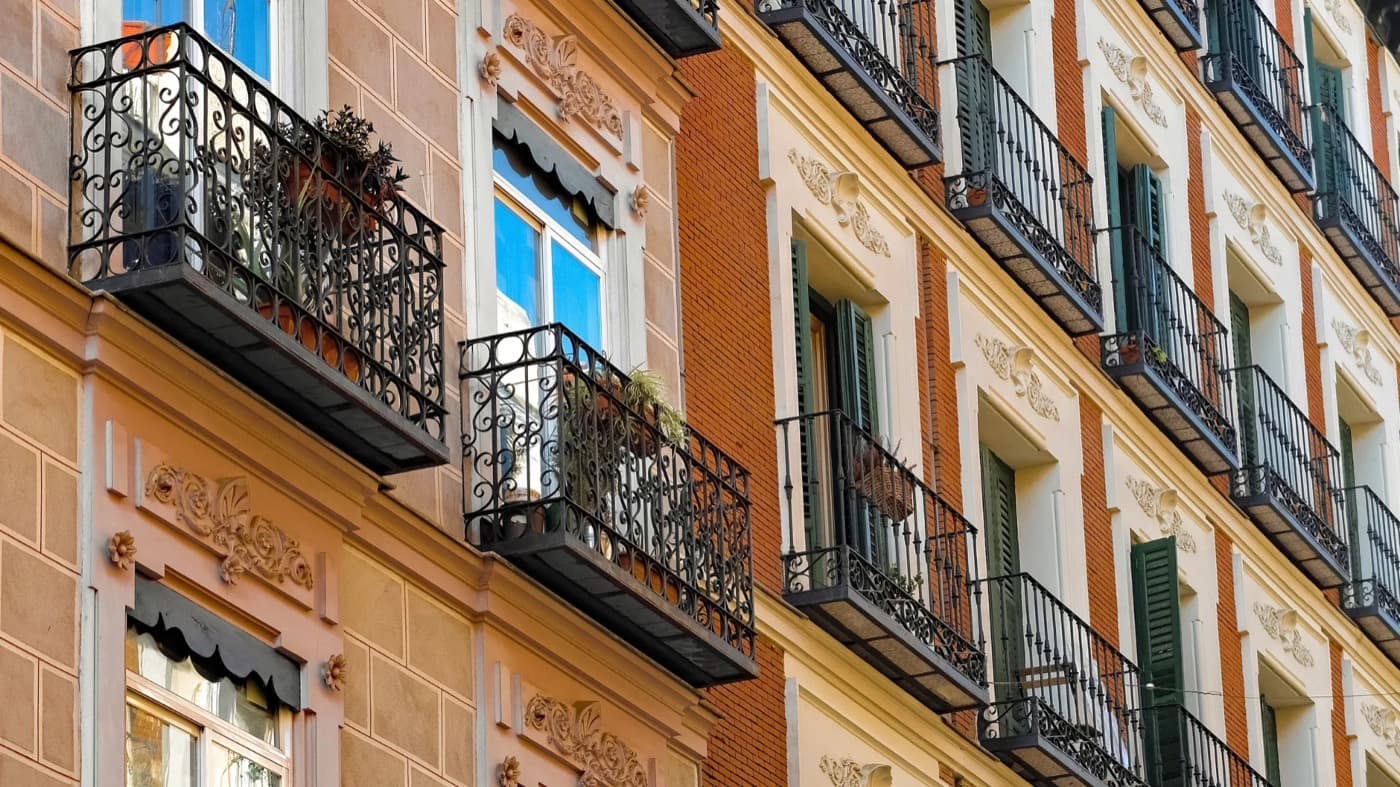
Walk down Calle Fuencarral and you will notice how neatly it blends tradition with the modern city. What many people do not realise, though, is that this street played a key role in the rise of modernism in Madrid. In the late nineteenth and early twentieth centuries, several buildings went up with distinctly modernist touches, from wrought iron balconies to ornate detailing across their facades. One of the finest examples is the Edificio de las Salesas, near the northern stretch of the street, a standing witness to the architectural shift Madrid lived through during those years.
2. The Old Mercado de Fuencarral
Long before it became the shopping paradise we know today, Calle Fuencarral was home to one of the most alternative markets in the city, the Mercado de Fuencarral. Opened in the 1990s, this space became a landmark for the city's urban subcultures, stocking clothing, accessories, and cutting edge art. The market closed its doors in 2015, but it left a lasting mark on the street's identity. The area has since transformed into a commercial hub of international brands and design stores, yet it still holds on to that inventive, alternative spirit.
3. A Street Full of Cinema Stories
Thanks to its restless energy and unmistakable look, Calle Fuencarral has served as the backdrop for countless films, series, and music videos. During the Movida Madrileña of the 1980s, it became a meeting point for artists, musicians, and filmmakers. Among the directors who have immortalised Fuencarral on screen, Pedro Almodóvar stands out, capturing the vibrant, chaotic essence of the area in several of his films. Even now, walking down this street can feel a little like stepping onto a film set.
4. A Spirit of Diversity
Fuencarral is also known as a street that embraces diversity. Its closeness to the neighbourhoods of Malasaña and Chueca has turned it into a place where creativity and inclusion thrive. Here you will find independent shops, art galleries, and cafes that celebrate individual expression. One of the clearest expressions of that openness is Pride week, when Fuencarral and its surroundings become an epicentre of cultural and festive activity.
Explore Its Shops and Markets
From major international brands to small independent boutiques, Calle Fuencarral is a paradise for anyone who loves to browse and shop. Do not miss the alternative design stores that keep the creative spirit of the area very much alive.
Visit the Museo de Historia de Madrid
Set at nearby Calle de Fuencarral 78, the Museo de Historia de Madrid is an essential stop for anyone curious about the city's past. Its exhibitions trace the story of Madrid from its founding all the way to the present day.
Stroll Through Malasaña and Chueca
Calle Fuencarral connects two of the most vibrant neighbourhoods in Madrid: Malasaña, with its bohemian, alternative streak, and Chueca, celebrated for its inclusive and lively atmosphere. Both are packed with bars, restaurants, and cultural spaces waiting to be explored.
Discover Calle Fuencarral with Trip Tours
At Trip Tours, we want you to experience Madrid in a different way. On our free tours through the city, we make a stop on Calle Fuencarral to share all the details you will not find in a standard guidebook. Did you know, for instance, that this street is also known for its graffiti and street art? There is always another layer to uncover once you start looking.
Why not experience it with a local guide?
Book a free tour through central Madrid: local guides, small groups and no upfront payment.
See the free tours →Conclusion
Calle Fuencarral is far more than a shopping street. It is a place full of history, culture, and surprises, from its beginnings as a road out to a nearby village to its rise as the beating heart of modern Madrid. In many ways, it mirrors the changing, restless spirit of the city itself. If you are planning a visit, take the time to wander this iconic street and uncover its many secrets on foot, ideally on a free tour, where its stories come to life step by step.
Why not experience it with a local guide?
Book a free tour through central Madrid: local guides, small groups and no upfront payment.
See the free tours →