Prehistoric and Roman Beginnings
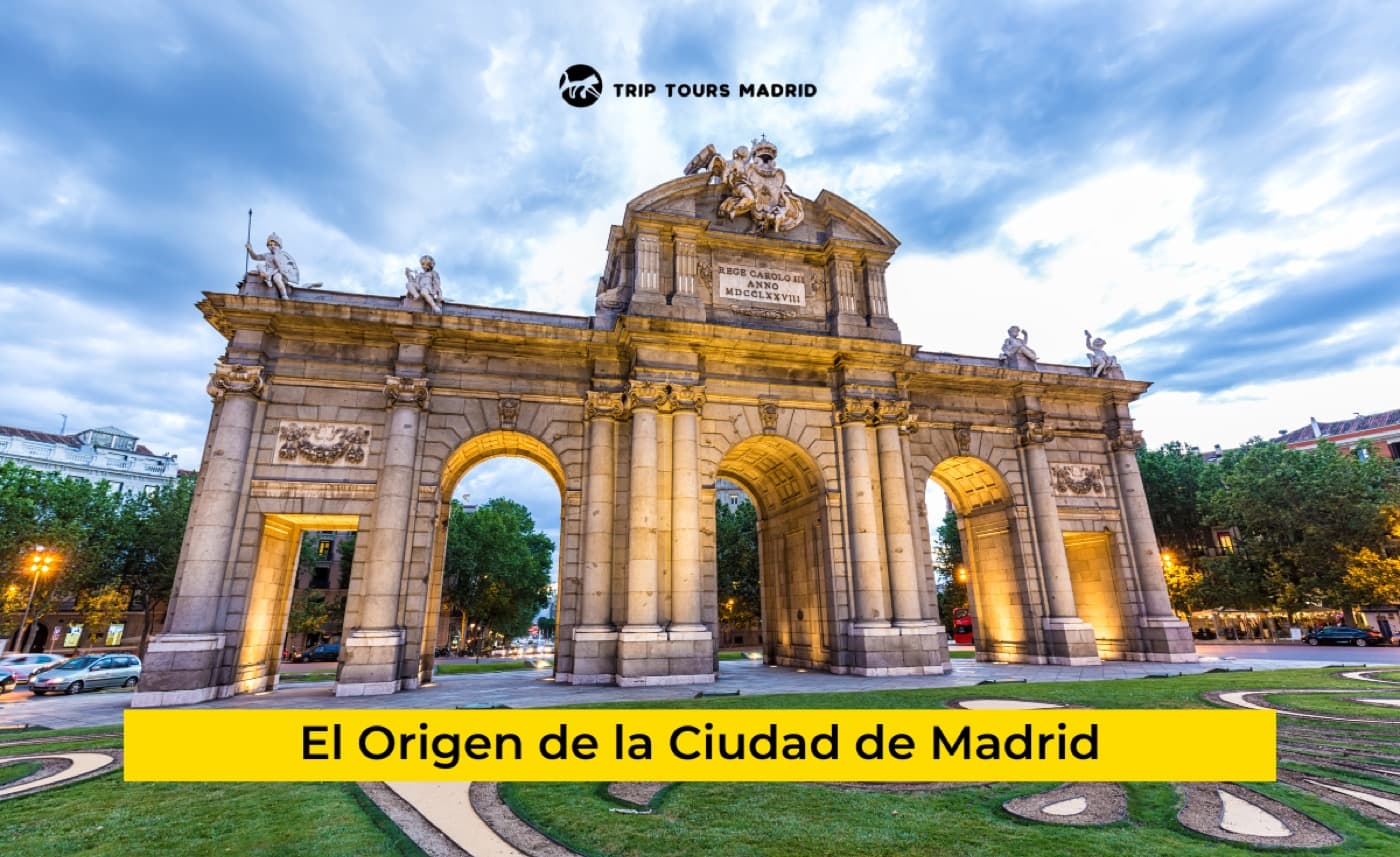
The earliest origins of Madrid fade into the deep past, though the surrounding countryside holds traces of prehistoric settlement. It was under Roman rule, however, that the first real foundations were laid for what would eventually become Madrid, even if at the time it amounted to little more than a modest cluster of dwellings. Fragments from that era, among them the old road that once cut across the site and a scattering of unearthed artefacts, hint at Rome's early hand in how the settlement was organised and laid out.
Mayrit: The Moorish Fortress
In the ninth century, Muhammad I, the emir of Córdoba, raised a fortress on the ground that is now Madrid's old quarter. This stronghold, known as Mayrit, served as a strategic defensive outpost facing the Christian kingdoms to the north. The name Mayrit is thought to come from the Arabic magerit, meaning a source of water, a nod to the plentiful underground springs that kept the fortress supplied and made the location worth defending in the first place.
Why not experience it with a local guide?
Book a free tour through central Madrid: local guides, small groups and no upfront payment.
See the free tours →The Reconquista and the Crown of Castile
With the Reconquista, Madrid passed into the Crown of Castile in the eleventh century. At first it was a town of fairly modest standing, but its position near the centre of the peninsula turned it into a useful stronghold for the Castilian kings. Over this period Madrid began to come into its own as a place of trade and administration, drawing merchants and new residents from across the peninsula and slowly gathering the weight it would later carry.
Madrid's Rise under the Habsburgs
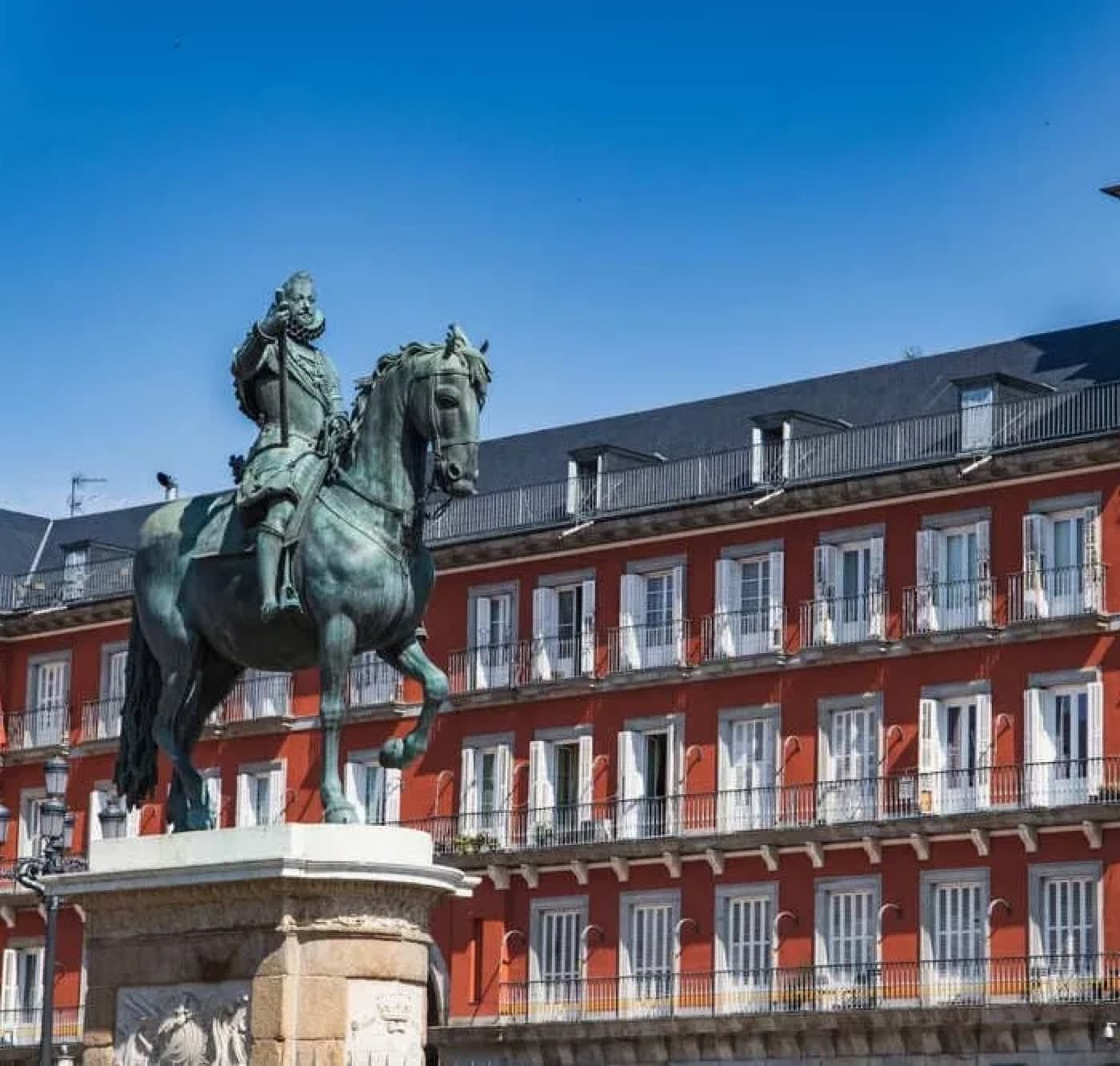
It was Felipe II who, in 1561, chose to move the royal court to Madrid, lifting the city to the rank of capital of a vast Spanish empire. That single decision opened an age of splendour, bringing the roads, palaces, and monuments that still define the city's face today. The choice was a calculated one: Madrid sat at the geographic heart of the peninsula, enjoyed an agreeable climate, and lay close to Toledo, then the reigning centre of culture and faith.
From the War of Succession to Today
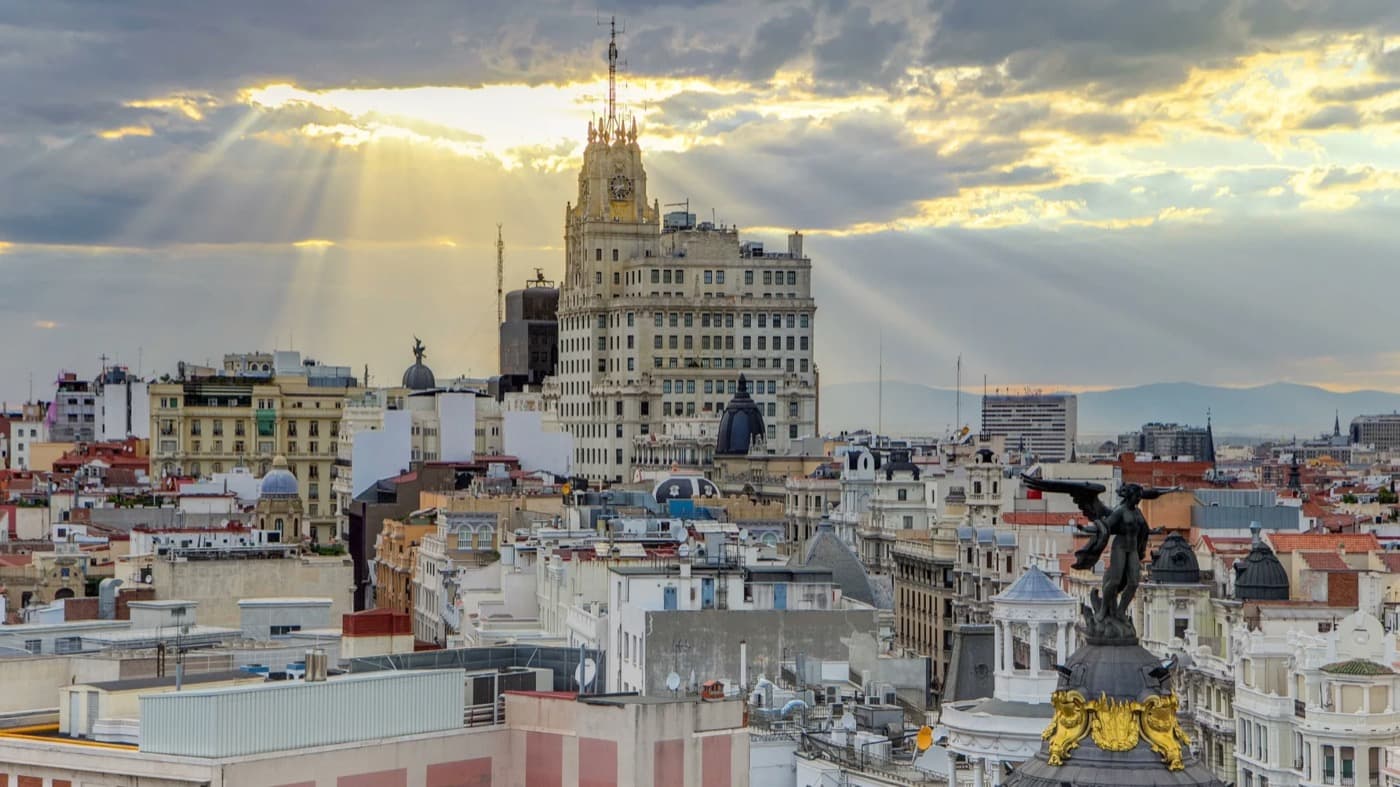
Madrid has both witnessed and driven a long line of pivotal events, from the War of the Spanish Succession to the uprising of the second of May against Napoleon's occupation. In the twentieth century the city endured the Spanish Civil War and went on to become the vibrant, cosmopolitan metropolis we know now. It has never stopped growing and modernising, holding innovation and tradition in the same hand while playing a decisive part in Spain's politics, economy, and culture. Across the centuries Madrid has swelled from a small settlement into a global capital, each age pressing its own mark into the rich weave of its story, and that steady evolution points to a future in which the city remains a home for culture, art, and new ideas.
Why not experience it with a local guide?
Book a free tour through central Madrid: local guides, small groups and no upfront payment.
See the free tours →Discover Madrid with Trip Tours
The best way to feel this history is to stand in the middle of it. From the streets of the old Habsburg quarter to the newer corners of the city, Madrid keeps its centuries close to the surface, waiting just beyond the next doorway. If these origins have stirred your curiosity, come and read them the way they were written, on foot, letting the city tell its own story one square at a time, perhaps on a free tour through the heart of old Madrid.
Why not experience it with a local guide?
Book a free tour through central Madrid: local guides, small groups and no upfront payment.
See the free tours →